
Joshua A. Webskowski, EA, NTPI Fellow, USTCP
I've worked in taxation since 2003. I got my start working alongside my dad, preparing tax returns and helping people make sense of their tax situations. Over the years, that work has grown from tax preparation and planning into IRS examinations, collection matters, Appeals, and tax resolution representation. I'm also admitted to practice before the United States Tax Court as a non-attorney practitioner.
One thing I've learned is that a tax problem rarely makes sense when you look at only one piece of it. The notice may be what brought you in the door. But I also want to know what the return says, what the IRS account shows, what happened before the notice arrived, and what you're trying to accomplish.
That's why I start with the facts.
At a glance
- In taxation since
- 2003
- Enrolled Agent since
- April 2012
- NTPI Fellow
- National Association of Enrolled Agents
- U.S. Tax Court
- Admitted as a non-attorney practitioner
- Office
- Rockford, Minnesota. In person or by Zoom
My credentials
I'm an Enrolled Agent, an NTPI Fellow, and admitted to practice before the United States Tax Court as a non-attorney practitioner. I also hold the CFP® certification. Each represents a different part of my professional background.
Enrolled Agent. I've been an Enrolled Agent since April 2012. Enrolled Agents are federally authorized tax practitioners with rights to represent taxpayers before the IRS.
NTPI Fellow. I completed the National Tax Practice Institute program through the National Association of Enrolled Agents. NTPI is a three-level program focused on taxpayer representation before the IRS, and completing all three levels is required to earn the NTPI Fellow designation.
United States Tax Court. I'm admitted to practice before the United States Tax Court as a non-attorney practitioner. That is separate from my Enrolled Agent credential and allows me to represent taxpayers in qualifying matters before the Court. What is a U.S. Tax Court Practitioner?
CFP®. I also hold the CFP® certification. It is part of my financial-services background and is separate from my authority to represent taxpayers before the IRS or the Tax Court.
From the IRS administrative process through Tax Court
A large part of my work has involved representing taxpayers before the IRS in examinations, collection matters, and Appeals. My admission to practice before the United States Tax Court extends that representation into qualifying Tax Court matters.
That can matter when a dispute moves beyond the IRS administrative process. The person who already understands the returns, IRS account, notices, and history of the matter may be able to continue representing the taxpayer in Tax Court rather than starting over with someone new. Learn about U.S. Tax Court representation
I've also put what I know into books
My books grew out of the IRS problems I've dealt with in practice.
IRS Secrets Revealed: How to Survive IRS Audit, Collections & Appeals is the revised edition of my earlier book, Defend Yourself With Confidence. The original was written from the experience I had already built representing taxpayers in IRS examinations, collections, and Appeals, before I was admitted to practice before the United States Tax Court.
I later wrote How to Get Out of IRS Problems: Take Charge of Your IRS Debt, A Step-by-Step Guide to Resolution, covering IRS notices, back taxes, penalties and interest, liens and levies, Offers in Compromise, and the collection process.
The books reflect what I knew and had experienced when I wrote them. My work has continued to develop since then, including my admission to practice before the United States Tax Court.
I didn't write the books to replace professional representation. I wrote them because I think people make better decisions when they understand what the IRS is doing and why the right answer for one taxpayer may be different from the right answer for another.
How I approach a tax problem
Understand the facts first. Explain the options clearly. Don't promise an outcome before I've reviewed the case.
I don't start with the name of an IRS program. I start with the taxpayer.
Two people can owe the IRS the same amount and have very different returns, financial circumstances, collection histories, deadlines, and available options. My job is to understand those differences before I recommend what to do next.
Professional involvement
I'm a Past President of the Minnesota Society of Enrolled Agents and a member of the National Association of Enrolled Agents. I've also been involved in professional education throughout my career.
Outside the office
I've spent most of my life in Minnesota. Outside the office, I've volunteered with Scouting and youth programs, participated in Toastmasters, served in church and community roles, and played guitar in church music ministry. I've also spent a fair amount of time running and cycling, including completing the Twin Cities Marathon.
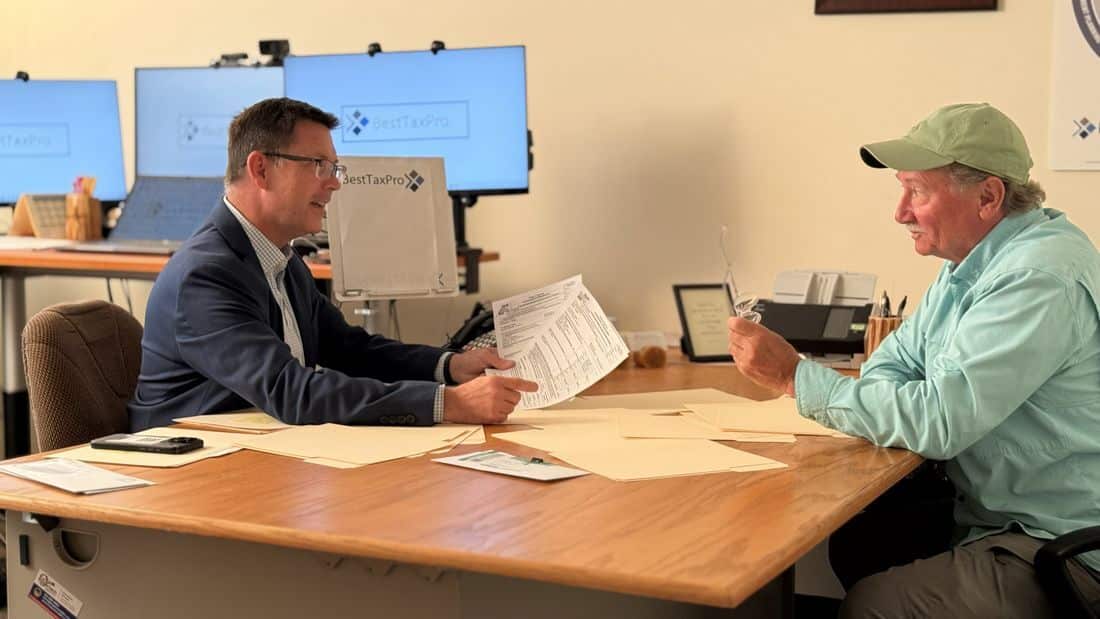
Tax work can get very technical. But the person sitting across the desk from me isn't a tax problem. They're a person trying to understand what happened and what to do next.
I try not to lose sight of that.
Where these credentials come from
| Credential | Authority |
|---|---|
| Enrolled Agent practice before the IRS | Circular 230, 31 CFR Part 10 |
| Admission of non-attorneys to practice before the United States Tax Court | Tax Court Rule 200 |
| NTPI Fellow designation | National Association of Enrolled Agents, National Tax Practice Institute |
Frequently asked questions
Are you an attorney?
No. I'm an Enrolled Agent, an NTPI Fellow, and admitted to practice before the United States Tax Court as a non-attorney practitioner.
How long have you worked in taxation?
Since 2003. I became an Enrolled Agent in April 2012.
What is an NTPI Fellow?
The National Tax Practice Institute is a three-level program of the National Association of Enrolled Agents focused on taxpayer representation before the IRS. Completing all three levels is required to earn the NTPI Fellow designation.
Can you represent me in U.S. Tax Court?
In a qualifying matter, yes. I'm admitted to practice before the United States Tax Court as a non-attorney practitioner. Learn more about U.S. Tax Court representation.
Will I work with you directly?
Yes. I personally work on every case I accept.
Work with me
If you have an IRS or Minnesota tax problem, start with what you have.
Bring the notices you've received and tell me what's happening. I'll start with where the matter stands, what has already happened, and what needs to be looked at next.